

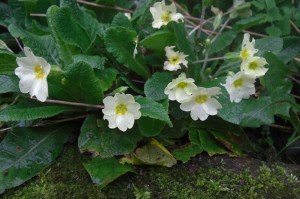
Walk by a bed of these briefly flowering native Primulas and the air is filled with the sweetest fragrance reminiscent of confectionery. Before over picking there were carpets of these on woodland floors, taking the opportunity of no leaf canopy to flower and pollinate in the warming spring sun. They easily set seed and spread with plantlets. They have a panacea of herbal properties and the leaves and flowers are edible. As with all plants allergies and misidentification can lead to serious ill health. Further interesting facts can be found here. http://wightdruids.com/index.php?option=com_content&view=article&id=109&Itemid=126

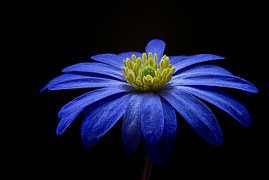
The lesser periwinkle, flowers prolifically along our hedgerows now and throughout the year. It’s blue violet flowers last for ages and it can be left to it’s own devices, for more on periwinkle go to our plant index.
Forsythia, is always first to put on a show in the spring garden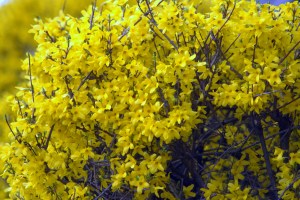
Don’t forget to prune after flowering as it flowers on last year’s growth. Bring in a few branches in a vase to light up the room.
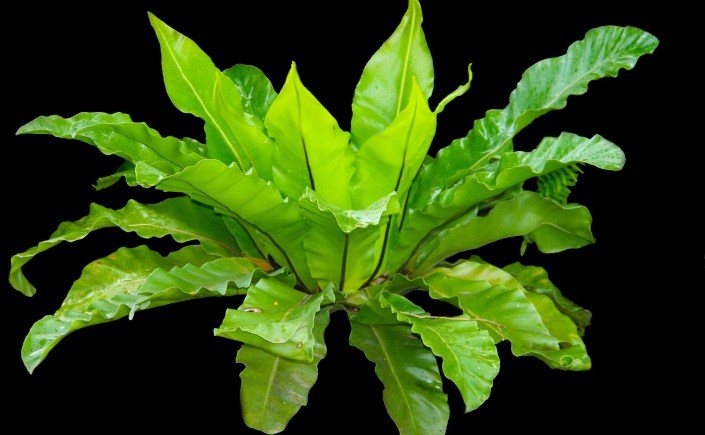



 I think no garden should be without one of our 45 native species, creating a great backdrop for herbaceous plants such as Solomon’s seal or bleeding hearts.
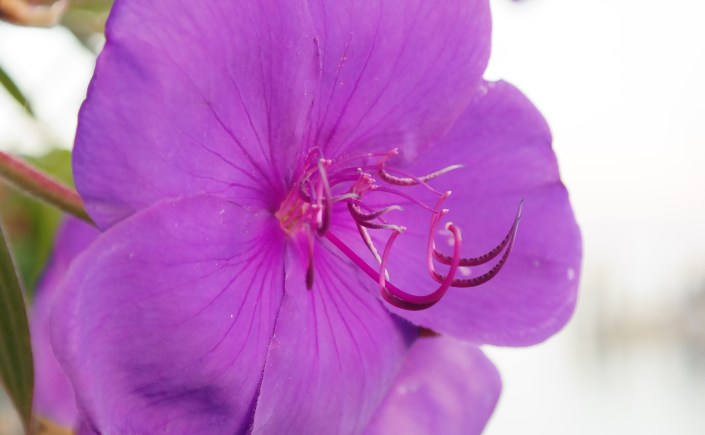
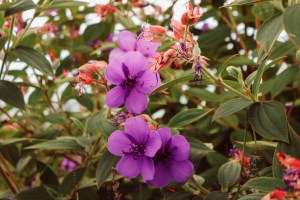 It has a vine like growth pattern and can be trained up a trellis on a sunny wall, it can grow to about 5 metres, but can also be pruned into a more compact shape. Water freely in spring sparingly in winter, but don’t let it stand in water, and it needs frost protection.


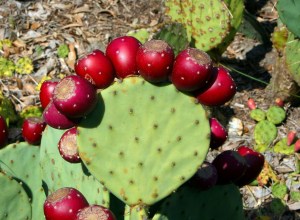 Some cactus fruits are edible, the prickly pear is one example, some can be fermented into alcoholic drinks as with the syrup from the enormous Saguaro. Some species have long been known to be psychoactive containing the chemical Mescaline such as the North American Peyote and South American san pedro cactus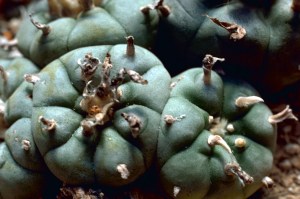

 it doesn’t mind neglect, and enjoys full sun. Plant out in well manured well drained soil to establish. It will tolerate sea spray so is good for coastal gardens.
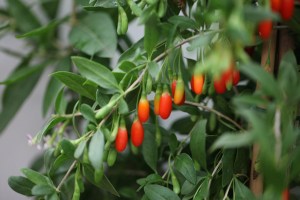 Fruiting starts after 4-5 years on previous years wood, so prune lightly in early spring. Feed with a potash rich feed in spring, trained up against a wall will increase yield, harvest only when berries are fully ripe by shaking onto a sheet of paper. You can eat them fresh, cooked or dried. They are very rich in Iron and vit C, aswell as all the essential amino acids, with abundant antioxidants and the most protein of any fruit. Well worth growing a few bushes.
 universeofplants.com