


Most cacti are native to the Americas, and have highly evolved to tolerate hot and dry conditions, even the Atacama desert where some parts have not seen rain for more than 20 years! Their leaves have been replaced by spines in many cases, which helps conserve water and protects against predators, water is stored in the thick fleshy trunk of the plant, which also serves as the area for photosynthesis.
The only native cactus also found outside the Americas is the Mistletoe cactus which may have been carried by Ancient traders or birds to Africa and Sri Lanka.

- Rhipsalis baccifera


Cacti range in size from over 20 metres to just over 1 cm, and many offer a spectacular display of flowers, to attract birds and insects in the brief periods of pollination usually after heavy rains. They absorb a great deal of water during these times into their fluted stems and store it for dry spells. A large Saguaro cactus can store over 200 gallons in one go!
The ground dwelling types usually have superficial roots that stay near the surface to absorb the brief downpours, before the water quickly evaporates in the hot desert, the very tall columnar varieties produce very deep tap roots to stop it falling over. Cacti can be easily propagated by seed or cuttings in species such as epiphytes

Epiphyte cactus flowering
Cacti like a 50/50 mix of loam and grit and fed with a dilute organic seaweed fertilizer during the growing season every 2 weeks with rain water if possible. 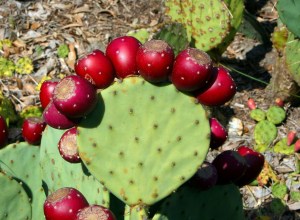 Some cactus fruits are edible, the prickly pear is one example, some can be fermented into alcoholic drinks as with the syrup from the enormous Saguaro. Some species have long been known to be psychoactive containing the chemical Mescaline such as the North American Peyote and South American san pedro cactus
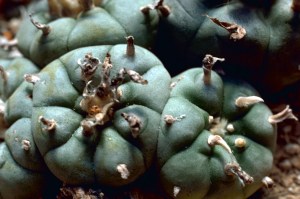
Peyote cactus.

 it doesn’t mind neglect, and enjoys full sun. Plant out in well manured well drained soil to establish. It will tolerate sea spray so is good for coastal gardens.
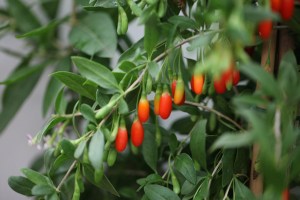 Fruiting starts after 4-5 years on previous years wood, so prune lightly in early spring. Feed with a potash rich feed in spring, trained up against a wall will increase yield, harvest only when berries are fully ripe by shaking onto a sheet of paper. You can eat them fresh, cooked or dried. They are very rich in Iron and vit C, aswell as all the essential amino acids, with abundant antioxidants and the most protein of any fruit. Well worth growing a few bushes.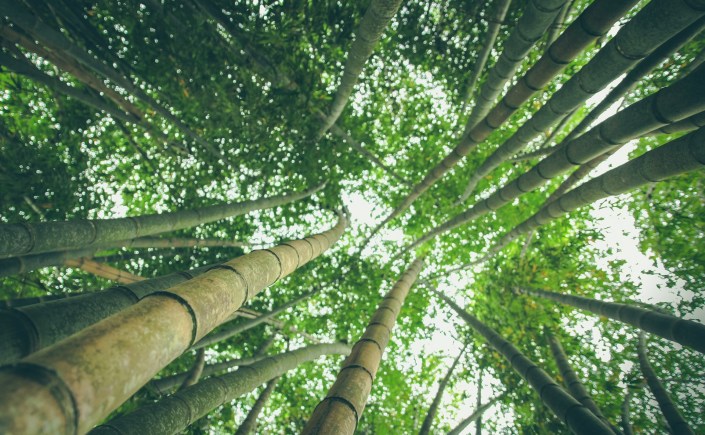

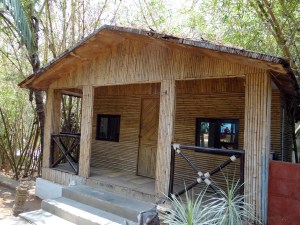 It is a great garden soil enricher and mulch I use it all the time, just shred it and add it to the compost bin or just rake it in at the end of the season ready for next spring. None of the plant is wasted.

 Use them to screen car ports or patio areas. They need plenty of light, water and feeding in the growing season, some are non invasive, but most species spreading with superficial lateral roots, even through concrete, and vary in colour from yellow or green
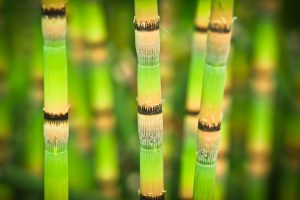 to blue or red, some have edible young shoots and yes, it was used as a torture method in the past.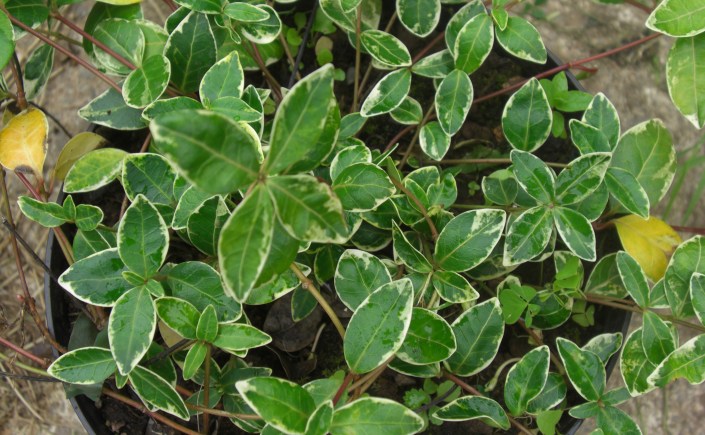
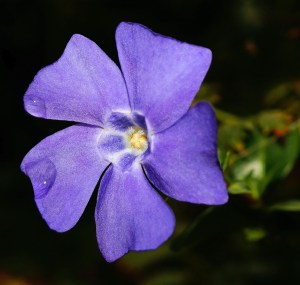 The word Vinca is derived from the latin word to bind or tie up and reflects it’s use in basket weaving. It makes a great background cover for hanging baskets. Historically it is commonly associated with funerals and was extensively planted in graveyards and used in wreaths. In W. Ukrainian weddings it is made into a bridal crown as a symbol of fertility and fidelity (tyeing together).
 universeofplants.com