
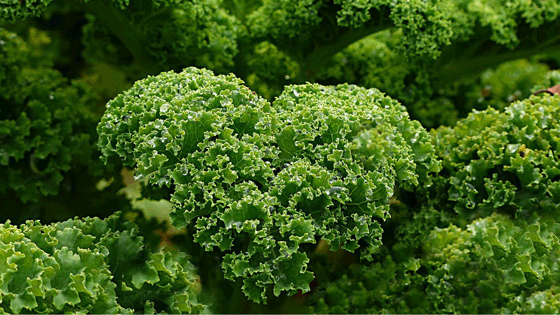
 There’s a new superfood on the market, and it is rapidly taking over the world. Kale comes with a variety of health benefits, and it is pretty easy to see why it has such a rapid rise in popularity…
Source: Why You should Grow Organic Kale
Most, if not All of the plants we grow here at the universeofplants
There’s a new superfood on the market, and it is rapidly taking over the world. Kale comes with a variety of health benefits, and it is pretty easy to see why it has such a rapid rise in popularity…
Source: Why You should Grow Organic Kale

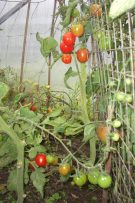 Hopefully you have been picking tomatoes for a while now and enjoying them in salads or just on there own from the vine with a pinch of sea salt. But around now they are reaching their peak. We have a few varieties so harvests are about 2 kilos per day. Don’t wash your tomatoes till you want to use them. The first thing we do with the glut is make a sweet chilli sauce. See recipes.
Humanity has a long history of People using plants to alter their states of mind from the Ayahuasca and Coca of Indigenous South American tribes, or the use of Peyote in Shaman rituals of native North American Indians famously described by Carlos Castaneda in the teachings of Don Juan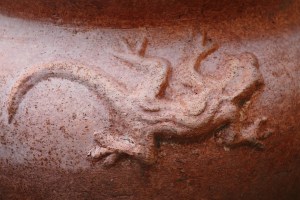
.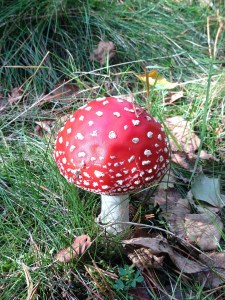
To the journeys of the Siberian Shaman with Amanita Muscaria, which led to our custom of Santa Clause in his red and white coat, coming down the chimney bearing gifts that they had crafted whilst under the influence of this powerful and highly dangerous Narcotic Mushroom. Or chewing the leaves and inhalation of the burning dried root, of Nerium Oleander, by the Oracle at the Temple of Delphi to produce her prophetic trance like state.

The Pythia at the Temple of Delphi.
A highly poisonous globally widespread common garden plant, Oleander is found in gardens and road verges throughout Greece and the Mediterranean .
You can grow this beautiful plant in containers, to avoid frost, it’s flowers come in a variety of colours, red, pink, yellow or white, and are very fragrant, keep well drained and feed infrequently once a month, let it rest in the winter. Obviously the plant is highly toxic even deadly, but then so are Lilys, keep away from children and pets.
Many have forgotten that common beverages we consume today such as coffee, tea and even beer, were once considered sacred by our ancesters, and such plants as tobacco, were used in shamanic rituals to aid in the passage to the spirit world
.
These powerful and sometimes deadly psychotropic plants opened up nature’s vista and produced an intimate deep connection with plants and nature. The plants were even imbued with living spirits, for example the Mandrake root in the shape of a being that takes the person on a journey of discovery or trepidation, or the Ayahuasco vine and Coca plant derived from the fingers of the daughters of the Sun Father which broke off during child birth, were buried in the ground and grew into these 2 plants.
Many customs, rituals, arts and crafts have resulted from the influences of these plants on the mind illustrated are some examples




The wonders or horrors of Nature that were revealed by using these plants revealed our transient existence and the illusion of our habitual fragile reality, as many of these plants effect the ego as well as the mood. We all know how disinhibited and elated we become on drinking alcohol, and then fall into drowsiness or depression.
Now I want to go into a little more detail about some of these plants and like to categorize them into, Stimulating or energizing, Sedating or relaxing and Hallucinogens or waking dream states.
The Tea plant-Camellia Sinensis, member of the Camellia genus, which you can grow outdoors, it will tolerate temperatures down to -5 Celsius in a sheltered well drained sunny spot. It needs acid soil to grow, like all Camellias & Rhodedendrons, it likes a cool moist environment and regular ericaceous liquid fertilizer. First cultivated in China and now Cultivated as a shrub or small tree throughout the world even here in the UK. .
Only the choicest top 2-3 leaves and bud are picked steamed and dried to make green tea or left to ferment a while then dried to make black tea. The leaves contain caffeine and xanthines, the latter used in Asthma treatments. But also older and larger leaves contain much more Tannin, which imparts the bitterness, thought to cause cancer of the gut, but now known to have strong antioxidant effects that combat this, as well as antibiotic properties and lowering of blood pressure.
The Coffee Arabica plant, was thought to be derived from Ethiopia, and later the Middle East- hence Arabica, around the 10th century. It wasn’t until the 18th century that it was cultivated in Latin America which is now the world s major producer.
.
The seeds are dried aged and roasted then ground into coffee. The Coffea Arabica plant makes a beautiful house plant that is easy to grow, they prefer a bright situation, but out of direct sunlight, so away from the window. Keep away from drafts and above 18 degrees Celsius as possible. It needs a moist but well drained soil. Keep it on a pebble tray to keep humidity up, water less in the winter when light is reduced. Feed with liquid fertilizer every 2-3 months. It can grow up to 6 feet and so prune in spring. Flowers around 4 years and needs hand pollination with a small brush to set fruit.
Benefits of drinking coffee are, improvements in concentration, memory, and mood. It increases the metabolic rate so aids in fat burning and weight loss. Physical performance is also enhanced. It reduces the risk of developing type II Diabetis if drunk regularly. But it doesn’t stop there, it reduces the risk of Alzheimer’s and Parkinson’s disease developing. It can protect the liver against Cirrhosis and reduce some cancers like bowel and liver, it is very rich in antioxidants and therefore can reduce heart disease and stroke. Quite a panacea!
This article will be continued. It can be found permanently on the Plant Magic page.
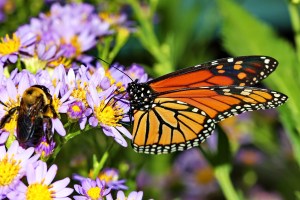
 Creating bug hotels with bamboo, dry sticks and coarse grasses, or a stumpery is a great home for dozens of species, try to create a variety of niche habitats. Don’t tidy up your garden over the winter, leave a few plants to go to seed, such as pole beans, parsnip and borage, fennel is particularly loved by our birds and will grow year on year, if left, spinach and chard produce masses of seeds.
 Leave a patch of your lawn for native wild flowers or plants in your area to seed, many insects and birds have evolved with these in their diets and rely on them for optimum health.

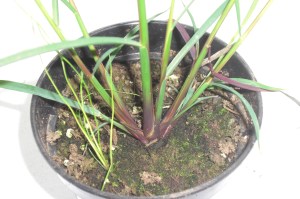 Cymbopogon citratus Ht. 1m
Native to Indonesia widely grown in South East Asia and Australasia and belongs to the grass family, it’s wonderful aroma comes from the citronella oil it contains, which is why it is widely used as an insect repellent and in perfumes.
It loves a sunny, warm, humid environment and a moist, rich soil and will quickly spread if given enough room. Grow some in pots and bring indoors, so as you brush by it releases it’s wonderful fragrance.
The essential oil can cause skin irritation. An infusion or compress is a good antiseptic for superficial wounds. It,s also good for acne, coughs and colds. In South East Asia it is brewed as a tea to alleviate nausea and aid sleep.
It will not tolerate temperatures below 10 degrees Celsius, so needs to be brought inside during the winter or grown from seed each year.
The essence of Dharma through all Buddhist traditions
You are beautiful and special, like the sun and rain at the same time
Entheogens, Contraries & Indigenous Wisdom Traditions
my colorful view of the world
a Sonoma County urban homesteading adventure
Exploring meditation, meaning and wellness in daily life.
...it's where the adventures begin!
Sacred soul mysteries one man’s mystical kenosis
A daily selection of the best content published on WordPress, collected for you by humans who love to read.
The Art and Craft of Blogging
The latest news on WordPress.com and the WordPress community.
 universeofplants.com