
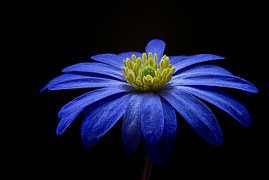
A climbing shrub up to 20 feet, distributed widely in central and southern Europe, it is also naturalized in hedgerows and woodland in the UK as an escapee from gardens. Many species grow in China.

Lonicera japonica
It has highly fragrant flowers, especially in the evening and is commonly grown on a trellis or pergola and is pollinated by moths, bees and butterflies, birds love the berries. It prefers humus rich soil with regular feeding, mulch with well rotted manure or blood fish and bone fertilizer, for best results. Water with a non hard water or rain water. Grows in sun or partial shade and is fully hardy. Prune back long growth in spring and make sure its not overcrowded as this makes it susceptible to mildew.
Thought to be useful in treatment of colitis and for coughs and colds with fever, the flowers are infused to make a calming yet uplifting tea. Or for pot pourris. Some honeysuckles are poisonous and even in our common species the berries leaves and vines should not be taken as they contain high levels of saponins.
The vines have been used to make strong rope for bridals and harnesses as far back as the Bronze Age, and is extremely tough when dried. It has long been associated with love and fidelity, and those who wear honeysuckle were said, will dream of their true love. Why not grow a honeysuckle up a hardwood sapling like ash or tropical cherry to produce a spiral walking stick.
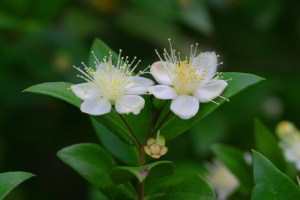
 When processed it makes the tea beverage Mate. The branches are cut up and dried over an open fire, imparting a smoky flavour, it is threshed to remove twigs then aged which improves the flavour.
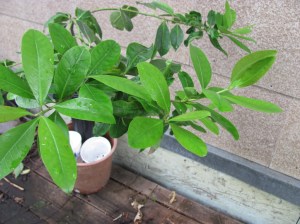 You can grow Yerba Mate from seed and make your own tea, the seeds need a few weeks stratification period ie regular dips in temperature for proper germination. Scratching some of the hard seed coat is recommended, soak in water overnight then into a 50/50 perlite/loam mix. Germination is slow keep out of direct sunlight and frost until well established 2-3 foot. A bit like Camellia sinensis (regular tea).
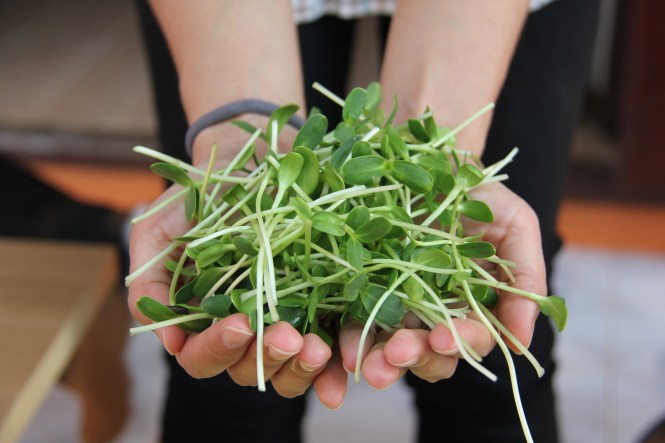 Spring is the sweetest time of year… when the nights are cool and the days are warm, beckoning us all outside where smells of rain and soil mingle. Join me, and plant something this spring! I…

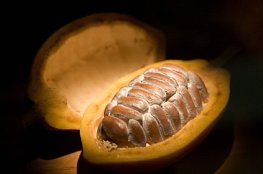 They are extracted from the opened pod with the pulp and laid out to sweat, ferment and dry. This is a critical process for the final taste of the chocolate. The liquor from the pulp can be fermented into an alcoholic beverage.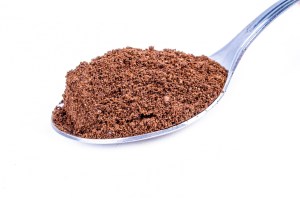
 universeofplants.com