
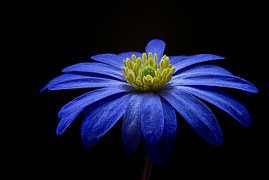
We as gardeners are noticing the effects of our planet warming up, extreme weather is putting a lot of stress on animals and plants. We have seen a dramatic decrease in our bee and butterfly populations as well as our bird life.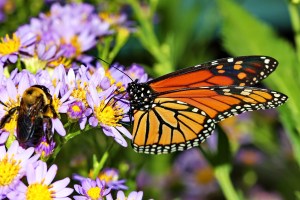
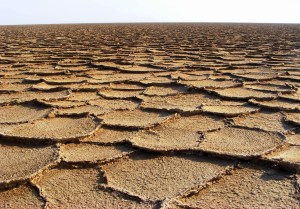
Flooding and drought can decimate crops and make plants more susceptible to disease, therefore to survive we have to modify our way of growing them to give them a helping hand. Raising our plots and beds adding adequate quantities of organic and cellulose material will help buffer against the extremes, not being too zealous with stone removal from your beds, deeper down and on the surface, will also help.
 Creating bug hotels with bamboo, dry sticks and coarse grasses, or a stumpery is a great home for dozens of species, try to create a variety of niche habitats. Don’t tidy up your garden over the winter, leave a few plants to go to seed, such as pole beans, parsnip and borage, fennel is particularly loved by our birds and will grow year on year, if left, spinach and chard produce masses of seeds.
 Leave a patch of your lawn for native wild flowers or plants in your area to seed, many insects and birds have evolved with these in their diets and rely on them for optimum health.
Leave some windfall from fruit trees on the ground and on the tree, and even those slimy critters- slugs and snails, who do so much damage to seedlings and tender plants, play a very important part in mopping up dying vegetation. We would all be buried under yards of rotting vegetation without them.
Any way they’ll be easier to find under shelters you’ve created over winter, and you can move them somewhere they won’t bother your prized plants, (at least 30 metres away as they have a homing ability). Or keep them as ‘pets’ contained in your compost bin, use fine mesh to contain them -they’ll speed up composting.
Many animals rely on all these, what we call pests, to survive and the widespread use of pesticides over the last few decades is one of the reasons our wildlife populations are on the verge of a precipice. This is discussed in more detail on the beneficial bugs page.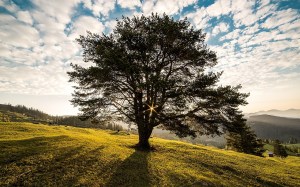
The decimation of our tree population over hundreds of years is probably one of the worst environmental disasters caused by humans. Trees singularly and with symbiotes provide the greatest habitats and preservation of soil fertility and integrity, of any plant. And thereby prevent soil erosion and flash flooding, every farm should be made by law to plant suitable trees even if its just on the northern boundary of the fields. There’s no reason they couldn’t be productive trees or shrubs, rather than fences or privet.
Really, unless something is done and done soon to address this disharmony to our natural environment, where our animal and plant life is treated like third class citizens or worse systematically annihilated, we will perish!
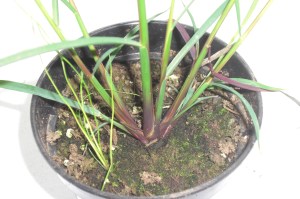 Cymbopogon citratus Ht. 1m
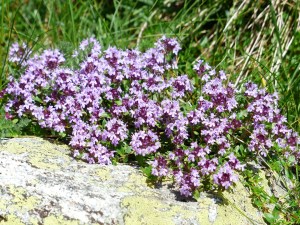

 Breathtaking
 universeofplants.com